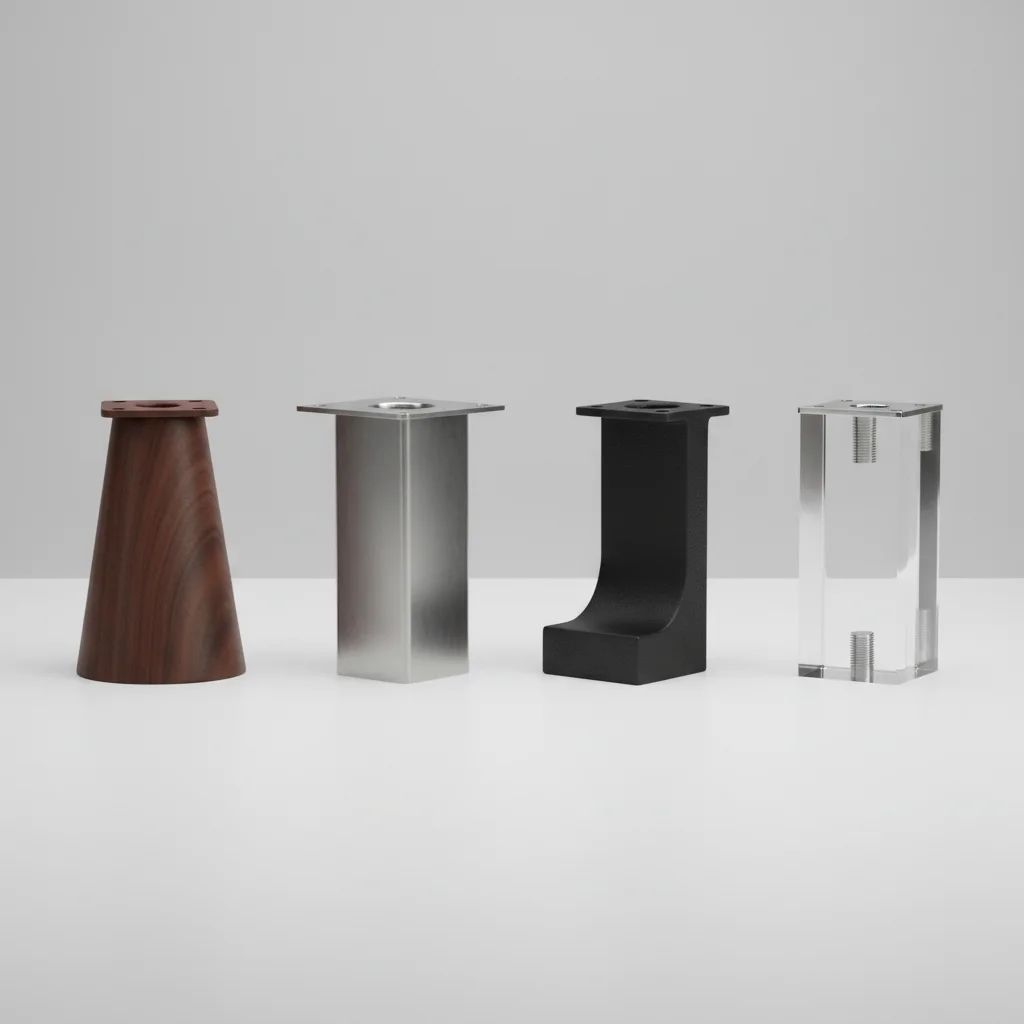
When considering sleeper sofa legs, solid wood, particularly oak or maple, offers the best stability due to its inherent strength and resistance to warping. These materials provide a robust foundation that can withstand the repeated stress of converting a sofa to a bed and back again, ensuring your furniture remains steady and safe for years.
The Importance of Leg Material for Stability
The legs of a sleeper sofa bear the entire weight of the furniture, its occupants, and the internal mattress mechanism. Consequently, the material chosen for these components directly impacts the sofa’s overall stability and longevity. Inferior materials can lead to wobbling, premature wear, and even structural failure, compromising both comfort and safety. Solid hardwoods like oak, maple, and even some dense tropical woods are preferred for their high density and interlocking grain structures, which provide superior resistance to compression and shear forces. For see our sleeper sofas recommendations on this site.
Beyond just material, the design and attachment method of the legs also play a crucial role. Legs that are securely bolted into the frame, rather than merely screwed in, offer a much more stable connection. Furthermore, a wider splay or a greater number of legs can distribute weight more effectively, reducing stress on individual points and enhancing the sofa’s overall equilibrium.
Solid Wood: The Gold Standard for Durability
Solid wood, especially hardwoods, stands out as the premier choice for sleeper sofa legs due to its exceptional durability and natural aesthetic appeal. Oak and maple are particularly favored for their strength, resistance to dents, and ability to hold fasteners securely. These woods can withstand significant stress without cracking or bending, making them ideal for furniture that undergoes frequent movement and weight shifts. While more expensive than other options, the investment in solid wood legs often translates to a longer-lasting and more stable sleeper sofa.
When selecting a sleeper sofa, inquire about the specific type of wood used for the legs. Avoid softer woods like pine if possible, as they are more susceptible to damage and can compromise stability over time. Look for legs with a smooth finish, free from knots or imperfections that could weaken the structure.
Metal Legs: Modern Strength and Sleek Design
|
Our Picks for the Best Sleeper Sofa in 2026
As an Amazon Associate I earn from qualifying purchases.
|
||
| Num | Product | Action |
|---|---|---|
| 1 | Oversized Boneless Loveseat, 3 Seater Pull Out Convertible Sofa Bed, 70" Gray Boneless Couch Fold Out Floor Couch Sleeper Sofa with 5 Pillows for Living Room Bedroom Lounge Small Space |

|
| 2 | MeMoreCool Boneless Folding Sofa Bed Queen – Corduroy Convertible Futon Couch, 2-in-1 Floor Sleeper with Foam Support, Detachable Pillow & Washable Cover for Living Room, Guest Room, Apartment |
|
| 3 | COMAX Futon Sofa Bed, Convertible Folding Sofa Bed, Boneless Couch Loveseat Corduroy with Pillows, Small Foldable Floor Couch Comfy Lounge Sleeper for Living Room Bedroom, Green |
|
| 4 | Convertible Sofa Bed, Boneless Loveseat Folding Couch Bed Foldable - 3 in 1 Small Ccouch & Futon Sofa Sleeper, Corduroy Pull Out Couch with 4 Pillows for Living Room, Black |
|
| 5 | Convertible Sofa Bed Queen,5-in-1 Tri-Fold Boneless Couch with Removable Armrests & Handle,Corduroy Futon Sleeper Sofa,Floor Folding Mattress Pull Out Bed for Small Space Apartment Living Room Bedroom |
|
| 6 | Folding Sofa Bed, Convertible Sleeper Chair with Back Support and Pillow Futon,Boneless Foldable Couch for Living Room/Guest Use/Home Office, Foldable Chair Bed for Adults, Dark Gray |
|
| 7 | 79" Convertible Sleeper Sofa Bed with Cylindrical Pillow, Corduroy Folding Mattress Couch with Fixed-Shape Frame, Floor Sofa Lounge Couch for Living Room Bedroom Lounge Studio (Green) |
|
| 8 | MAXYOYO Folding Sofa Bed, Convertible Sleeper Chair with Pilow Foldable Matress with Back Support, Portable Fold Out Chair Bed Comfy Floor Sofa Lounge for Living Room Bedroom, Beige, Double |
|
| 9 | Loveseat Boneless Convertible Sofa Bed, Folding Floor Futon Sleeper Sofa Couch Bed- Boneless Foldable Couch, Corduroy Pull Out Sofa Bed with 2 Pillows for Living Room & Bedroom |
|
| 10 | 5-in-1 Convertible Sofa Bed,60" Boneless Couch Tri Folding Floor Mattress with Removable L-Shaped Armrests & Handle,Corduroy Futon Couch Sleeper with Pull Out Bed for Living Room Bedroom Apartment |
|
Metal legs, typically made from steel, aluminum, or iron, offer a contemporary alternative to wood, providing excellent strength and a sleek, modern aesthetic. Steel is particularly robust, capable of supporting heavy loads without bending or breaking. Aluminum is lighter but still very strong, often used in designs where weight is a consideration. Iron, while heavier, offers a classic, industrial look and exceptional durability.
Metal legs are often preferred in minimalist or industrial-style sleeper sofas. They are resistant to moisture and pests, making them a low-maintenance option. However, ensure that any metal legs are properly finished to prevent rust or corrosion, especially in humid environments. Welded joints should be clean and strong, indicating quality craftsmanship.
Engineered Wood and Plastic: Considerations and Limitations
Engineered wood products, such as MDF or particle board, are sometimes used for sleeper sofa legs in more budget-friendly options. While they can be made to look like solid wood, their structural integrity is significantly lower. These materials are prone to swelling if exposed to moisture and can splinter or break under sustained pressure. They are generally not recommended for furniture that will see frequent use or conversion.
- MDF (Medium-Density Fiberboard): Prone to moisture damage and less durable than solid wood.
- Particle Board: The least durable option, easily damaged and not suitable for load-bearing components.
- Plastic: Lightweight and inexpensive, but lacks the strength and stability for long-term use in sleeper sofas.
- Rubberwood: A sustainable hardwood, but can be softer than oak or maple, requiring thicker dimensions for comparable strength.
- Plywood: Can be strong if multiple layers are used and properly constructed, but less common for visible legs.
Plastic legs are the least desirable option for sleeper sofas. While inexpensive, they lack the necessary strength and rigidity to provide adequate support, often leading to wobbling and premature failure. They are best avoided for any sleeper sofa intended for regular use.
Attaching Legs for Maximum Stability
The method of attaching the legs to the sleeper sofa frame is just as critical as the leg material itself. The most stable attachment methods involve robust hardware and secure connections. Legs that are integrated directly into the frame’s structure or attached with large, sturdy bolts and metal plates offer superior stability compared to those merely screwed into the bottom of the frame. Look for reinforced corners and strong, well-fitted joints where the legs meet the sofa’s base. This attention to detail in construction ensures that the legs can effectively distribute weight and withstand the dynamic forces associated with a convertible piece of furniture.
Get our weekly buyer guide
Practical specs, not advice. Unsubscribe anytime.
