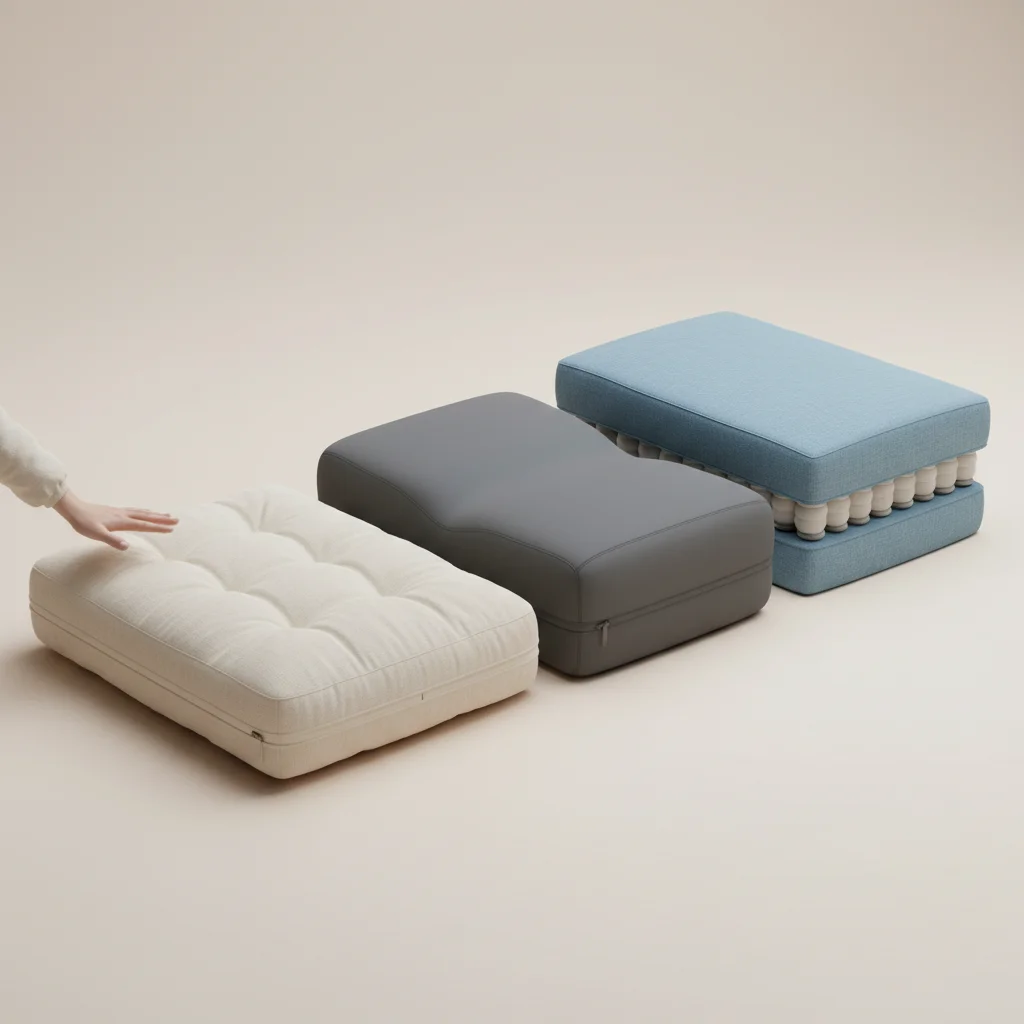
Choosing the right sleeper sofa cushions is crucial for both sitting comfort and a good night’s sleep. The best fillings for sleeper sofa cushions typically combine supportive foam with a softer top layer, offering a balance of durability and plushness. Specifically, high-density foam wrapped in down alternative or memory foam provides superior comfort and longevity.
Understanding Cushion Fill Materials
Sleeper sofa cushions are not one-size-fits-all. The material inside dictates how the cushion feels, how long it lasts, and how well it supports a sleeper. Common options include various types of foam, down, feathers, and synthetic blends. Each material has distinct properties that contribute to the overall comfort and performance of the sofa.
For daily use, a resilient filling is essential to prevent sagging and maintain shape. This is particularly true for sleeper sofas, which endure more stress than standard sofas due to their dual function.
High-Density Foam: The Foundation of Support
High-density foam is a cornerstone for durable and supportive sleeper sofa cushions. It offers excellent resilience, meaning it bounces back quickly after compression and maintains its shape over time. This type of foam is measured by its density, with higher densities indicating greater durability and support. For a sleeper sofa, a foam density of 1.8 PCF (pounds per cubic foot) or higher is recommended for optimal performance and longevity.
While firm on its own, high-density foam provides the necessary base to prevent bottoming out, ensuring a comfortable sleep surface and a supportive seat. It’s often combined with other materials to enhance softness.
Memory Foam: Contouring Comfort for Sleep
Memory foam is renowned for its ability to contour to the body, distributing weight evenly and relieving pressure points. This makes it an excellent choice for the sleeping surface of a sleeper sofa. When integrated into cushions, memory foam can provide a luxurious, sink-in feel that adapts to your body’s shape, offering personalized comfort.
However, memory foam can retain heat, so it’s often used as a top layer over a more breathable base. It’s also important to consider the density and thickness of the memory foam layer for optimal support and comfort.
Down and Feather Blends: Plushness and Softness
|
Our Picks for the Best Sleeper Sofa in 2026
As an Amazon Associate I earn from qualifying purchases.
|
||
| Num | Product | Action |
|---|---|---|
| 1 | 5-in-1 Convertible Sofa Bed,60" Boneless Couch Tri Folding Floor Mattress with Removable L-Shaped Armrests & Handle,Corduroy Futon Couch Sleeper with Pull Out Bed for Living Room Bedroom Apartment |

|
| 2 | Convertible Sofa Bed Queen,5-in-1 Tri-Fold Boneless Couch with Removable Armrests & Handle,Corduroy Futon Sleeper Sofa,Floor Folding Mattress Pull Out Bed for Small Space Apartment Living Room Bedroom |
|
| 3 | Oversized Boneless Loveseat, 3 Seater Pull Out Convertible Sofa Bed, 70" Gray Boneless Couch Fold Out Floor Couch Sleeper Sofa with 5 Pillows for Living Room Bedroom Lounge Small Space |
|
| 4 | Convertible Sofa Bed, Boneless Loveseat Folding Couch Bed Foldable - 3 in 1 Small Ccouch & Futon Sofa Sleeper, Corduroy Pull Out Couch with 4 Pillows for Living Room, Black |
|
| 5 | 79" Convertible Sleeper Sofa Bed with Cylindrical Pillow, Corduroy Folding Mattress Couch with Fixed-Shape Frame, Floor Sofa Lounge Couch for Living Room Bedroom Lounge Studio (Green) |
|
| 6 | Folding Sofa Bed, Convertible Sleeper Chair with Back Support and Pillow Futon,Boneless Foldable Couch for Living Room/Guest Use/Home Office, Foldable Chair Bed for Adults, Dark Gray |
|
| 7 | MAXYOYO Folding Sofa Bed, Convertible Sleeper Chair with Pilow Foldable Matress with Back Support, Portable Fold Out Chair Bed Comfy Floor Sofa Lounge for Living Room Bedroom, Beige, Double |
|
| 8 | COMAX Futon Sofa Bed, Convertible Folding Sofa Bed, Boneless Couch Loveseat Corduroy with Pillows, Small Foldable Floor Couch Comfy Lounge Sleeper for Living Room Bedroom, Green |
|
| 9 | Loveseat Boneless Convertible Sofa Bed, Folding Floor Futon Sleeper Sofa Couch Bed- Boneless Foldable Couch, Corduroy Pull Out Sofa Bed with 2 Pillows for Living Room & Bedroom |
|
| 10 | MeMoreCool Boneless Folding Sofa Bed Queen – Corduroy Convertible Futon Couch, 2-in-1 Floor Sleeper with Foam Support, Detachable Pillow & Washable Cover for Living Room, Guest Room, Apartment |
|
For those who prioritize a soft, luxurious feel, down and feather blends are an appealing option. These natural fillings offer exceptional plushness and a cozy, inviting aesthetic. Down provides loft and softness, while feathers add a bit more structure and resilience. Often, these blends are encased in a foam core to provide underlying support and prevent excessive flattening.
While incredibly comfortable, down and feather cushions require more frequent fluffing to maintain their shape and loft. They can also be a consideration for allergy sufferers, though hypoallergenic options are available.
Synthetic Down Alternatives: Hypoallergenic and Resilient
Synthetic down alternatives, such as polyester fiberfill or microfibers, offer a hypoallergenic and often more affordable option to natural down. These materials mimic the softness and loft of down but are more resilient and easier to maintain. They are also less likely to clump or shift, providing consistent comfort.
Many high-quality sleeper sofas use a combination of high-density foam for the core and a synthetic down alternative wrap for the top layer, achieving a balance of support, softness, and durability. This combination is particularly effective for cushions that need to withstand both sitting and sleeping.
- High-density foam core for foundational support.
- Memory foam layer for pressure relief and contouring.
- Down alternative wrap for plush, hypoallergenic softness.
- Spring coils integrated for added bounce and durability.
- Gel-infused foam for cooler sleeping temperatures.
Choosing the Best Cushion Combination
The ideal sleeper sofa cushion filling often involves a strategic combination of materials. A common and highly effective setup includes a high-density foam core for robust support, wrapped with a layer of memory foam or a down alternative for enhanced softness and contouring. This multi-layered approach ensures the cushions are comfortable for sitting during the day and supportive enough for a good night’s sleep.
Consider your primary use: if it’s for frequent sleeping, prioritize memory foam or a very supportive foam. If it’s more for occasional guests and daily sitting, a foam and fiber blend might suffice.Always check the specifications for cushion construction when purchasing a new sleeper sofa.
Ultimately, the best cushion filling for your sleeper sofa depends on your personal preferences for firmness, softness, and how often the sofa will be used for sleeping. A well-constructed cushion will provide years of comfort and support, making your sleeper sofa a truly versatile piece of furniture.
Get our weekly buyer guide
Practical specs, not advice. Unsubscribe anytime.
