Your fabric sleeper sofa works tirelessly, serving as a comfortable lounging spot by day and transforming into a cozy bed by night. This versatility, however, often means it’s more prone to spills, dirt, and general wear. Keeping it immaculately clean without causing unsightly stains or damage can seem like a daunting task. But fear not! This comprehensive guide will equip you with the knowledge and techniques to effectively clean your fabric sleeper sofa, ensuring it remains fresh, inviting, and stain-free for years to come. We’ll delve into understanding your sofa’s specific cleaning needs, mastering essential cleaning methods, and embracing preventive care, all to help you maintain your furniture’s beauty and longevity.
Understanding Your Fabric Sleeper Sofa: The Key to Stain-Free Cleaning
Before you reach for any cleaning solution, the single most critical step is to understand the specific needs of your sofa’s fabric. Ignoring this can lead to irreversible damage, discoloration, or stubborn water spots. Knowing your fabric type and its manufacturer-recommended cleaning code is the ultimate safeguard against cleaning mishaps.
Decoding Your Sofa’s Cleaning Tag (W, S, WS, X)
Every upholstered furniture piece comes with a cleaning tag, usually hidden under a cushion or along the frame. This small label holds vital information about how to safely clean your sofa. Here’s what those codes mean:
- W (Water-Based Cleaner): Fabrics with a “W” code are safe for water-based cleaning solutions. This is the most forgiving type, allowing for mild detergents mixed with water, homemade solutions, and even steam cleaning.
- S (Solvent-Based Cleaner): “S” coded fabrics require solvent-based (water-free) cleaners, also known as dry-cleaning solvents. Using water on these fabrics can cause shrinking, staining, or damage.
- WS (Water or Solvent): This versatile code means you can safely use either water-based cleaners or dry-cleaning solvents. Always spot-test first, even with approved solutions.
- X (Vacuum Only): Fabrics marked with “X” are the most delicate. They can only be vacuumed or professionally dry-cleaned. Any liquid, whether water or solvent, will likely cause damage.
|
Our Picks for the Best Sleeper Sofa in 2026
As an Amazon Associate I earn from qualifying purchases.
|
||
| Num | Product | Action |
|---|---|---|
| 1 | 5-in-1 Convertible Sofa Bed,60" Boneless Couch Tri Folding Floor Mattress with Removable L-Shaped Armrests & Handle,Corduroy Futon Couch Sleeper with Pull Out Bed for Living Room Bedroom Apartment |

|
| 2 | Folding Sofa Bed, Convertible Sleeper Chair with Back Support and Pillow Futon,Boneless Foldable Couch for Living Room/Guest Use/Home Office, Foldable Chair Bed for Adults, Dark Gray |
|
| 3 | MAXYOYO Folding Sofa Bed, Convertible Sleeper Chair with Pilow Foldable Matress with Back Support, Portable Fold Out Chair Bed Comfy Floor Sofa Lounge for Living Room Bedroom, Beige, Double |
|
| 4 | Convertible Sofa Bed Queen,5-in-1 Tri-Fold Boneless Couch with Removable Armrests & Handle,Corduroy Futon Sleeper Sofa,Floor Folding Mattress Pull Out Bed for Small Space Apartment Living Room Bedroom |
|
| 5 | Loveseat Boneless Convertible Sofa Bed, Folding Floor Futon Sleeper Sofa Couch Bed- Boneless Foldable Couch, Corduroy Pull Out Sofa Bed with 2 Pillows for Living Room & Bedroom |
|
| 6 | Convertible Sofa Bed, Boneless Loveseat Folding Couch Bed Foldable - 3 in 1 Small Ccouch & Futon Sofa Sleeper, Corduroy Pull Out Couch with 4 Pillows for Living Room, Black |
|
| 7 | COMAX Futon Sofa Bed, Convertible Folding Sofa Bed, Boneless Couch Loveseat Corduroy with Pillows, Small Foldable Floor Couch Comfy Lounge Sleeper for Living Room Bedroom, Green |
|
| 8 | 79" Convertible Sleeper Sofa Bed with Cylindrical Pillow, Corduroy Folding Mattress Couch with Fixed-Shape Frame, Floor Sofa Lounge Couch for Living Room Bedroom Lounge Studio (Green) |
|
| 9 | MeMoreCool Boneless Folding Sofa Bed Queen – Corduroy Convertible Futon Couch, 2-in-1 Floor Sleeper with Foam Support, Detachable Pillow & Washable Cover for Living Room, Guest Room, Apartment |
|
| 10 | Oversized Boneless Loveseat, 3 Seater Pull Out Convertible Sofa Bed, 70" Gray Boneless Couch Fold Out Floor Couch Sleeper Sofa with 5 Pillows for Living Room Bedroom Lounge Small Space |
|
Always double-check this tag before proceeding with any cleaning method. It’s your manufacturer’s instruction manual for keeping your upholstery pristine.
Common Fabric Types and Their Cleaning Implications
Beyond the cleaning code, understanding the common fabric types used in sleeper sofas can further inform your approach.
- Microfiber: A popular choice for sleeper sofas due to its durability and stain resistance. Many microfiber fabrics are “W” or “WS” coded and respond well to water-based cleaners, often cleaning up easily with just water and mild soap. It’s also known for its ability to resist pilling and fading.
- Cotton and Linen: These natural fibers are breathable and comfortable but can be prone to wrinkling and staining. They are typically “W” coded but can sometimes be sensitive to excessive moisture, which might cause water rings.
- Synthetic Blends (Polyester, Nylon, Acrylic): Often chosen for their durability, stain resistance, and affordability. Most synthetic blends are “W” or “WS” coded, making them relatively easy to clean with water-based solutions. Their tight weave often helps repel spills.
Knowing the characteristics of your sofa’s fabric, combined with its cleaning code, provides a clear path to effective, stain-free cleaning.
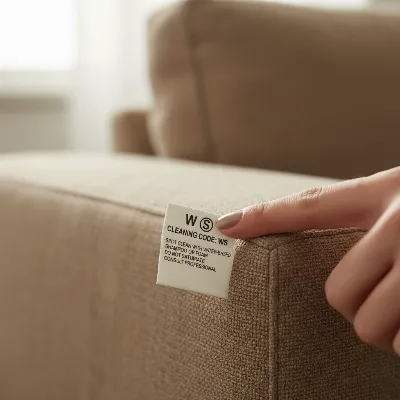 Close-up of a fabric sleeper sofa's cleaning tag, showing a 'W' or 'WS' code clearly visible, with a hand gently pointing at it
Essential Tools and Natural Cleaning Solutions
Equipping yourself with the right tools and knowing which gentle yet effective cleaning solutions to use is crucial for success. You don’t always need harsh chemicals; often, natural household items can do the job just as well, if not better, without the risk of staining or damage.
Must-Have Cleaning Supplies
- Vacuum Cleaner with Upholstery Attachment: Your best friend for regular maintenance and pre-cleaning. It removes loose dirt, crumbs, and pet hair from crevices and surfaces.
- Microfiber Cloths: Essential for blotting stains and wiping surfaces. They are highly absorbent and won’t leave lint behind. Always use clean, light-colored or white cloths to avoid dye transfer.
- Soft-Bristle Brush: Useful for loosening dried dirt or debris and gently scrubbing cleaning solutions into the fabric.
- Spray Bottle: Ideal for evenly applying homemade cleaning solutions without oversaturating the fabric.
- Small Buckets or Bowls: For mixing solutions and rinsing cloths.
DIY Natural Cleaners
For most “W” and “WS” coded fabrics, these simple, natural solutions are highly effective and safe:
- Baking Soda: A natural deodorizer and gentle abrasive. Sprinkle it on the sofa to absorb odors and help lift dry stains.
- White Vinegar: An excellent natural cleaner and deodorizer. A 50/50 mix with water in a spray bottle works wonders for general cleaning and tackling many types of stains.
- Mild Dish Soap (clear, dye-free): Mixed with warm water, a tiny drop of dish soap can create a gentle sudsy solution for spot cleaning. Avoid colored soaps that could potentially stain.
> “Always remember the golden rule of cleaning: ‘Test, then treat.’ No matter how gentle a solution seems, a quick patch test in an inconspicuous area can save your sofa from accidental damage.” – Sarah Jenkins, Upholstery Care Specialist
Step-by-Step Guide to Cleaning Your Fabric Sleeper Sofa
With your tools and solutions ready, follow these steps to thoroughly clean your fabric sleeper sofa, addressing both daily grime and specific stains without leaving marks.
Pre-Cleaning: The Foundation for Success
The most critical step before any liquid touches your sofa is a thorough dry clean. This prevents loose dirt from turning into muddy streaks when moisture is introduced.
- Remove Cushions and Bedding: Take off all seat and back cushions, pillows, and any bedding if it’s currently set up as a bed.
- Vacuum Thoroughly: Using your vacuum’s upholstery attachment, go over every inch of the sofa. Pay close attention to seams, crevices, under cushions, and along the arms. This removes dust, crumbs, pet hair, and other loose debris. Don’t underestimate this step; it significantly impacts the success of your cleaning.
- Brush Off Dried Dirt: For any dried-on dirt or crumbs stuck to the fabric, gently use a soft-bristle brush to loosen them before vacuuming again.
Spot Cleaning: Tackling Spills and Stains Immediately
Speed is your ally when it comes to spills. The faster you act, the less likely a stain is to set.
- Blot, Don’t Rub: For fresh spills, immediately grab a clean, dry microfiber cloth and gently blot the area. Press firmly to absorb as much liquid as possible. Rubbing can spread the stain, push it deeper into the fibers, or damage the fabric. Continue blotting with a clean section of the cloth until no more liquid transfers.
- Patch Test: Before applying any cleaning solution, always test it on an inconspicuous area of the sofa (e.g., the back or under a cushion). Apply a small amount, let it sit for a few minutes, then blot dry. Check for any discoloration, shrinkage, or fabric damage. If the fabric react negatively, do not proceed with that solution.
- Apply Solution: If your fabric is “W” or “WS” coded and the patch test is successful, lightly spray or dab your chosen cleaning solution (e.g., diluted mild dish soap or white vinegar) onto the stained area. Do not oversaturate.
- Gently Work It In: Use a clean microfiber cloth or a soft-bristle brush to gently work the solution into the stain, moving from the outside of the stain towards the center to prevent spreading.
- Blot and Rinse: Blot the area with a clean, damp cloth (water only) to “rinse” away the cleaning solution and lifted stain. Repeat this blotting and rinsing until the stain is gone and no more residue transfers to your cloth.
- Air Dry: Allow the area to air dry completely. You can use a fan to speed up the process. Avoid using the sofa until it’s fully dry to prevent new stains or mildew.
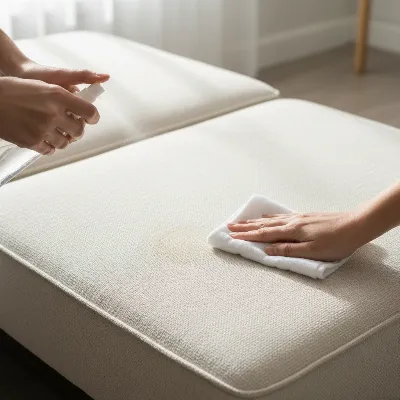 Person gently spot cleaning a fabric sleeper sofa with a spray bottle and microfiber cloth, avoiding stains
Deep Cleaning for a Refreshed Sofa
For overall freshening and deeper embedded dirt, you might consider these methods for “W” or “WS” coded fabrics.
- Baking Soda Deodorizing:
- After vacuuming, liberally sprinkle baking soda over the entire fabric surface of your sleeper sofa.
- Let it sit for at least 15-30 minutes, or even a few hours for stubborn odors.
- Vacuum up the baking soda thoroughly. It will absorb odors and help lift ingrained dirt.
- Steam Cleaning (for “W” or “WS” codes):
- Steam cleaners can provide a chemical-free, deep clean and sanitize the fabric.
- Always patch test first. Ensure your fabric can withstand heat and moisture without damage or water spots.
- Use distilled water in your steam cleaner. Some recommend a 50/50 mix of water and white vinegar.
- Lightly and evenly pass the steam cleaner over the fabric, being careful not to oversaturate.
- Allow for ample air-drying time, potentially using a fan or opening windows.
Advanced Stain Removal Techniques
Certain stains require specific approaches to ensure removal without causing further damage or spreading.
Food and Drink Stains
For common spills like coffee, juice, or food, after blotting:
- For “W” or “WS” fabrics: Mix a tablespoon of mild dish soap with two cups of cool water. Apply the suds (not too much liquid) with a clean cloth, blotting gently. Rinse by blotting with a damp, clean cloth.
- For greasy food: Sprinkle cornstarch or baking soda on the fresh stain to absorb the grease, let it sit for 15 minutes, then vacuum. Follow with a mild soap solution if needed.
Grease and Oil Stains
These can be tricky but are manageable with the right steps:
- Absorb Immediately: For fresh grease stains, immediately blot with a paper towel. Then, generously sprinkle cornstarch, baking soda, or talcum powder over the stain. These powders will absorb the oil.
- Let it Sit: Allow the powder to sit for at least 30 minutes, or even a few hours for older stains.
- Vacuum: Vacuum up the powder. You may need to repeat this process if the stain persists.
- Mild Dish Soap (W/WS fabrics): If a residue remains, apply a small amount of diluted mild dish soap onto a clean cloth and gently dab the stain. Blot with a clean, damp cloth to rinse.
Pet Stains and Odors
Pet accidents can be particularly challenging due to odor and potential deep-seated stains.
- Act Fast: Blot up as much urine or vomit as possible immediately with paper towels.
- Enzyme Cleaner: For urine, use a pet-specific enzymatic cleaner designed to break down the uric acid crystals responsible for the odor. Always patch test first.
- Baking Soda: After using an enzyme cleaner and allowing it to dry, sprinkle baking soda to absorb any lingering odors. Vacuum after a few hours.
- For hair: A rubber glove or a damp cloth rubbed over the surface can effectively pick up pet hair.
Maintaining Your Sleeper Sofa: Prevention is Key
Consistent care and preventive measures are your best defense against stains and prolong the life of your fabric sleeper sofa.
Regular Care Routine
- Weekly Vacuuming: Make it a habit to vacuum your sleeper sofa weekly. This removes dust, dirt, and allergens before they can become embedded or cause odors.
- Rotate Cushions: If your cushions are removable and flippable, rotate and flip them weekly to ensure even wear and exposure, preventing specific areas from becoming overly soiled or worn.
- Air Out: Whenever possible, remove cushions and allow the sofa frame and cushions to air out, especially after use as a bed. This helps prevent moisture buildup and keeps odors at bay.
Protective Measures
- Sofa Covers: Consider using washable sofa covers, throws, or slipcovers. These provide an excellent barrier against spills, pet hair, and general grime, and can be easily removed and laundered.
- No Food or Drink Rule: While not always practical, establishing a “no food or drink on the sofa” rule can significantly reduce the chances of spills.
- Immediate Clean-Ups: Always have cleaning supplies on hand (microfiber cloths, mild solution) to tackle spills the moment they happen.
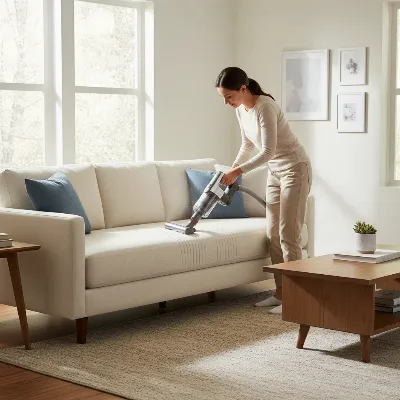 Person regularly vacuuming a fabric sleeper sofa in a clean, modern living room, emphasizing prevention
Troubleshooting Common Cleaning Challenges
Even with the best intentions, cleaning can sometimes present unexpected hurdles. Here’s how to address some common issues.
Dealing with Water Spots and Discoloration
Water spots can be frustrating, especially on “W” coded fabrics that are otherwise safe for water. These often occur from oversaturation or uneven drying.
- Re-dampen and Dry Evenly: If you have a water spot, try lightly dampening the entire affected cushion or panel with distilled water (using a fine mist spray bottle). Then, use a dry, clean microfiber cloth to blot the entire area evenly. Allow it to air dry completely, using a fan to ensure even and quick drying. The goal is to avoid a distinct “ring” by feathering out the moisture.
- Professional Help: If discoloration or significant water spots persist, it might be best to consult a professional upholstery cleaner.
When to Call a Professional
While many fabric sleeper sofa cleaning tasks can be handled at home, there are times when professional intervention is the safest and most effective option:
- “S” or “X” Coded Fabrics: If your sofa has an “S” or “X” cleaning code and you’re unsure how to handle a stain or deep clean, always defer to professionals who have the specialized solvents and equipment.
- Large or Stubborn Stains: For extensive spills, old, set-in stains, or those that don’t respond to home remedies, professional cleaners have stronger solutions and methods.
- Oversaturation or Damage: If you’ve accidentally oversaturated the fabric, or notice shrinking, discoloration, or other damage from a DIY attempt, a professional might be able to mitigate the issue.
- Allergen Removal: For deep allergen removal or if you have severe allergies, professional steam cleaning services can often provide a more thorough clean.
Conclusion
A clean fabric sleeper sofa not only enhances the aesthetics of your living space but also contributes to a healthier, more comfortable home. By understanding your sofa’s specific fabric type and cleaning code, utilizing the right tools and gentle solutions, and adopting a proactive approach to spills and regular maintenance, you can keep your sleeper sofa looking immaculate and prolong its lifespan. Remember, quick action on spills, thorough vacuuming, and careful spot treatment are your best allies in the fight against stains. With these tips, you can confidently maintain a fresh, inviting, and stain-free sleeper sofa for all your lounging and sleeping needs. What new cleaning habits will you adopt to keep your sleeper sofa pristine?
Câu Hỏi Thường Gặp
Can I use a carpet cleaner on my fabric sleeper sofa?
It depends on your sofa’s cleaning code and the carpet cleaner’s specifications. If your sofa is “W” or “WS” coded, a carpet cleaner designed for upholstery might be suitable. However, always test on an inconspicuous area first and avoid oversaturating the fabric to prevent water spots or damage.
How often should I clean my fabric sleeper sofa?
For general maintenance, vacuum your sleeper sofa weekly to remove loose dirt and dust. Spot clean spills immediately. A deeper clean, such as using baking soda for deodorizing or a steam cleaner (if applicable), is recommended every 3-6 months, or more frequently with heavy use or pets.
What’s the best way to remove pet hair from a sleeper sofa?
For pet hair, start by vacuuming with an upholstery attachment. For stubborn hair, use a damp rubber glove or a lint roller. Some find a damp microfiber cloth or even a squeegee effective for gathering pet hair from fabric surfaces.
How do I prevent new stains on my fabric sleeper sofa?
Prevention is key! Consider using washable sofa covers or throws, establishing a “no food or drink” rule, and cleaning up spills immediately. Regular vacuuming also helps prevent dirt from embedding, making future cleaning easier.
Is it safe to use rubbing alcohol on my sleeper sofa fabric?
Rubbing alcohol can be effective for certain tough stains, particularly ink, on “S” or “WS” coded fabrics. However, it should always be used sparingly, applied to a clean cloth (not directly to the sofa), and patch tested first, as it can potentially damage some delicate fabrics or alter colors.
